The danger may be that stress and nerves make a person more restless, irritable, and conflicted. Such behavior can be threatening both for people in relative safety and for our loved ones who are currently on the front lines.
During such a difficult period, we need to remind ourselves that right now you are the main person who has to make decisions on your own. To do this, you need to understand yourself well and have reliable internal support.
Therefore, it is important to find inner strength and understand your condition, to know how to calm your nerves. To do this, you need to ask yourself some questions and take certain steps.
How am I feeling right now?
“Scanning” your body is a proven way to calm yourself down. You may have a tense neck or jaw, other muscles may be tense, or you may be feeling restless. Try to relax and exhale the tension.
Tense and then relax all the muscles in your body. Take several deep breaths, hold the breath, and exhale slowly. Repeat the exercise several times.
What am I feeling right now?
Not sure how to calm your nervous system? Try describing your emotions. What does that emotion look like and where does it manifest itself in your body. This is a great exercise to quickly calm down.
For example: I am afraid that my loved one is in danger. This fear is persistent, very prickly and cold. It is felt in the chest.
The main goal of the exercise is to understand your emotion, name it, and remind yourself that it is just a part of you, so as not to let it completely consume you.
How do I react and what are my actions?
Think about what actions this emotion prompts. For example: when I become unbearably scared, I start frantically calling with various questions to hear a voice.
This will help us understand that we often seek reassurance and reassurance that everything will be okay, without realizing that by doing so we are putting our loved ones, who are protecting our freedom, at risk.
How to react differently?
Realize that seeking reassurance that everything is okay is normal and natural. Everyone feels scared when threatened, and it is a completely logical reaction.
Think about who you can share this state with right now. Who can support and understand. Maybe it's your mother, a friend or girlfriend. You need to share these experiences with them.
Techniques for self-regulation of the state
Don't know how to calm down in a stressful situation? Proven techniques will help.
Butterfly
To do this exercise, cross your palms and clasp your thumbs together to resemble a butterfly. Then place your palms on your chest and tap your collarbone rhythmically. You will hear sounds similar to your heartbeat, which will calm you down. You can continue this exercise until you see that your breathing has become more even. During this exercise, the brain switches to a more adaptive mode, and the outputs of the cranial nerves also interact.
Square breathing
A great exercise to calm your nervous system. Close your eyes and mentally draw a square. Focus on the upper right corner of the figure, count to 4 and take a deep breath. Move to the left corner of the square, count to four and hold your breath. In this way, you just need to circle the square several times, and you will quickly return to a state of balance.
Deep breathing
It's worth knowing how to calm down after stress. Take a deep, slow breath in so that your stomach rises. Then, take a short pause and exhale for a long, drawn-out breath.
It is important that the exhalation is longer than the inhalation. Repeat 6-9 times.
Grounding
Describe what you see around you, name everything out loud. Look around to see as many things as possible. You can group them by color and features. This helps to activate thinking and orientation.
Pick up something and describe it. What is its texture, feel, color, taste, smell. In short, move yourself from your experiences to reality. You can also simply wash your hands or face and concentrate on the sensations of the water.
Our psychological state has the ability to constantly change, especially in stressful conditions. And this must be approached with all responsibility in order not to let the enemy break us.
Secret tapping
The exercise involves pressing on the pads of each finger to calm down. The exercise stimulates nerve endings and sends impulses to the brain center responsible for anxiety.
“Safe Place” Technique
In a stressful situation, don't know what to do to calm down? Find a quiet place. Sit or lie down in a comfortable place where you will not be disturbed. Close your eyes and take a few deep breaths to relax. Visualize a safe place. Imagine a place where you feel completely safe and comfortable. This can be a real place that you know, or a completely imaginary one. For example, it could be a beach, a forest, a favorite room, a garden. Add as many details as possible: imagine the sounds, smells, sensations. Feel the emotions. Focus on how you feel in your safe place.
Body scan
The technique allows you to develop a steady imagination. First, choose a comfortable place, close your eyes. Feel your forehead, eyes, nose, chin. Then feel your shoulders, arms. Continue down.
Muscle relaxation
This exercise will help you out when you don't know how to calm your nerves quickly. Due to stress hormones in the blood, the autonomic system turns on and starts processing them. This causes pain and discomfort in the back and neck. Therefore, first tense all your muscles, and then sharply relax your body.
Color search
Choose one color and in complete silence simply look for objects of that color. In a few minutes you will feel calm.
Fist
Clench your fingers into a fist, but with your thumb inward. Exhale, but clench your hands tighter. Slowly loosen your fist, take a deep breath. Repeat the exercise 5-7 times.
Abstraction in space
A simple but effective exercise. Close your eyes, focus on what is happening in the “here and now.” Listen to everything that is happening around you.
Balloon
Need a surefire way to calm down and not cry? Close your eyes and imagine that you are a balloon. Hold this position for 1-2 minutes. Tighten all your muscles. Now imagine that there is a large hole in the balloon. Slowly let out the air and relax your shoulders, neck, and spine.
Body tremors
Uncontrollable shaking is a normal reaction to shock. It can come in waves and is not harmful. You just need to wait for it to pass.
Painting
Drawing is an effective tool for reducing stress and improving mental health. It helps you relax, express emotions, and distract yourself from negative thoughts.
Drawing is a simple and accessible way to relieve stress and improve emotional health. It does not require special skills or knowledge, but only a desire to express yourself creatively and find peace in the process of creation. You can offer children to draw their mood.
Tips from a psychologist on maintaining a stable emotional state
Many people are interested in how to reduce anxiety during war, improve their emotional state, and how to calm down during war. Simple exercises will help with this.
Deal with uncertainty
Modern man is used to planning and controlling everything, so the suspense, when you don't know what to expect tomorrow, is often a cause of disappointment and even depression. Do not neglect routine matters, familiar rituals, they will help reduce anxiety during war.
Reduce information consumption
Want to know how to calm your nerves without pills? Limit your news reading. Constantly following the news can increase anxiety. Choose a specific time of day to watch the news and stick to that schedule. It's best not to watch the news before bed.
Watch for mood swings
Emotional swings are common during the war that began on February 24, 2022. Pay attention to your emotions. If you notice that your mood is getting worse or changing for no apparent reason, this may be a signal that you need support.
Avoid arguments
Avoid arguments with friends or family, especially if they have a different point of view on the war, like to speak in a provocative manner. War means that the time for talking is over, now it is important to act. Instead of empty talk and arguments, focus on real actions, such as volunteering.
Read sources that provide only official, verified information.
There is a lot of false information and fakes on the Internet, the purpose of which is to cause panic and despair. Analyze the information you read. Sometimes even authoritative speakers can be wrong in assessing events. Remember that only participants in hostilities know the full picture. Choose resources that provide only official, verified information.
Watch for symptoms of panic attacks
By recognizing panic attacks, a person can identify the triggers that cause them and take steps to avoid or reduce the impact of these triggers in the future.
People who know how to cope with panic attacks can take better control of their lives and know what to do in the event of an attack.
Adjust your sleep schedule
During sleep, our brain processes and organizes information accumulated during the day. This allows us to reduce stress and anxiety levels, helping to restore the nervous system. Cortisol, known as the “stress hormone”, decreases during sleep. Insufficient sleep can lead to increased cortisol levels, which increases anxiety. Quality sleep improves concentration and cognitive function, which helps us better cope with anxious thoughts and situations.
Regular and sufficient sleep increases stress resistance, makes it easier to endure life's difficulties and reduces anxiety levels.
Exercise and move more
Physical activity helps reduce stress levels and improve mood. It is a time-tested method of calming the nervous system. Even short walks in the fresh air can be very beneficial. In addition, physical activity releases endorphins - natural antidepressants.
Take medications if necessary.
Frequent stress can lead to sleep disorders. In some cases, you can’t do without sedatives. But it’s better to consult a doctor, especially if you are already taking medications.
Professional assistance and consultation at the sanatorium “Kyivska Rus”
Experts advise changing your usual environment from time to time, as it has a positive effect on our emotional state. A vacation among the picturesque Carpathians is a great option for this.
Dense forests, crystal clear mountain air, mineral waters – nature itself allows you to escape from daily worries, worries and stresses. Even a few days of rest in the heart of the Carpathians will help restore peace and vital energy.
The modern health complex “Kyivska Rus” in Skhidnytsia is a great place to relax at any time of the year. Tourists are offered the following benefits:
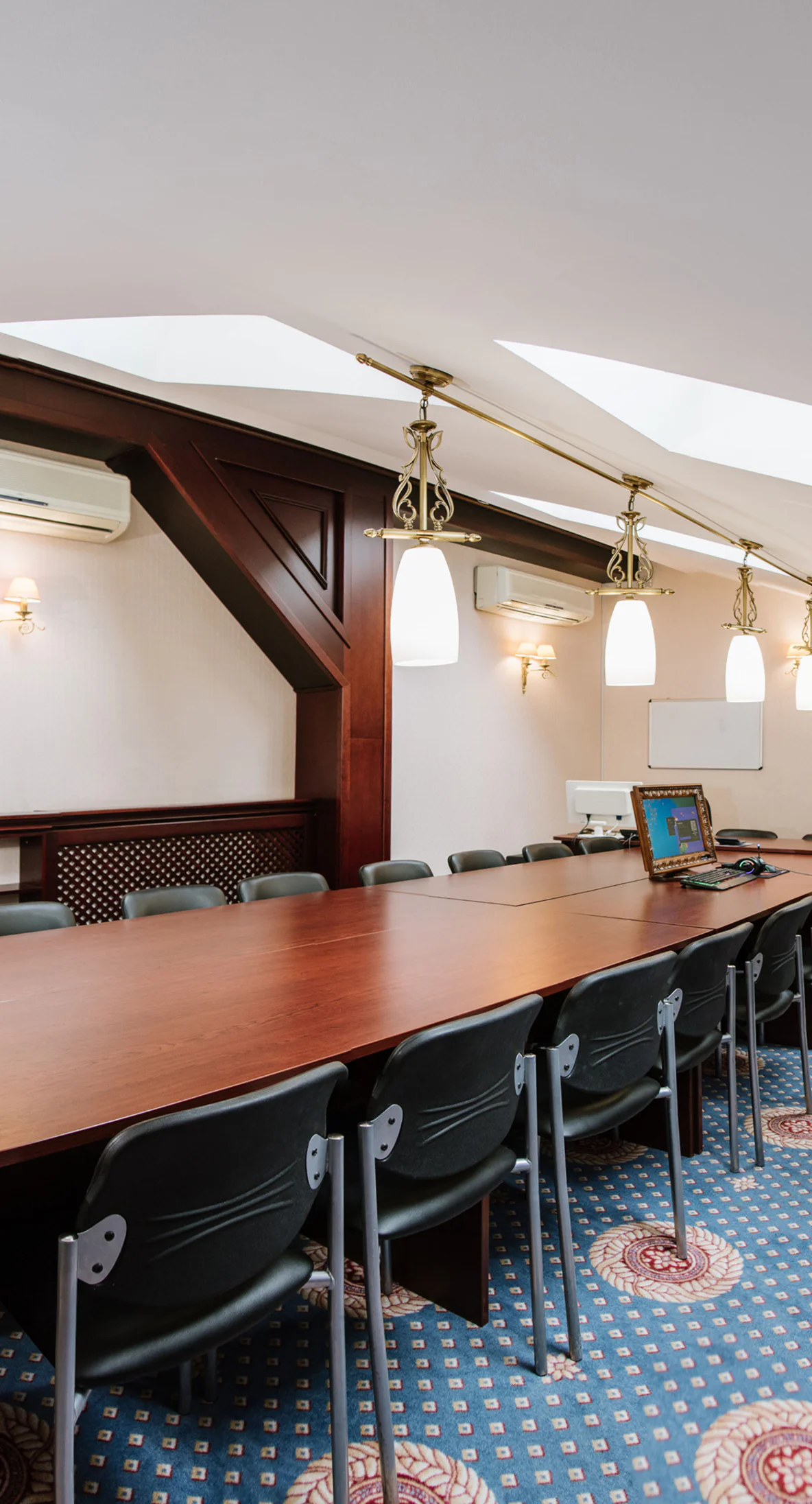
- A wide range of services. A modern hotel with all amenities, delicious cuisine, various SPA treatments - the establishment invites tourists at different times of the year. There are all conditions for relaxation with family and a group of friends. Special attention is paid to the quality of service.
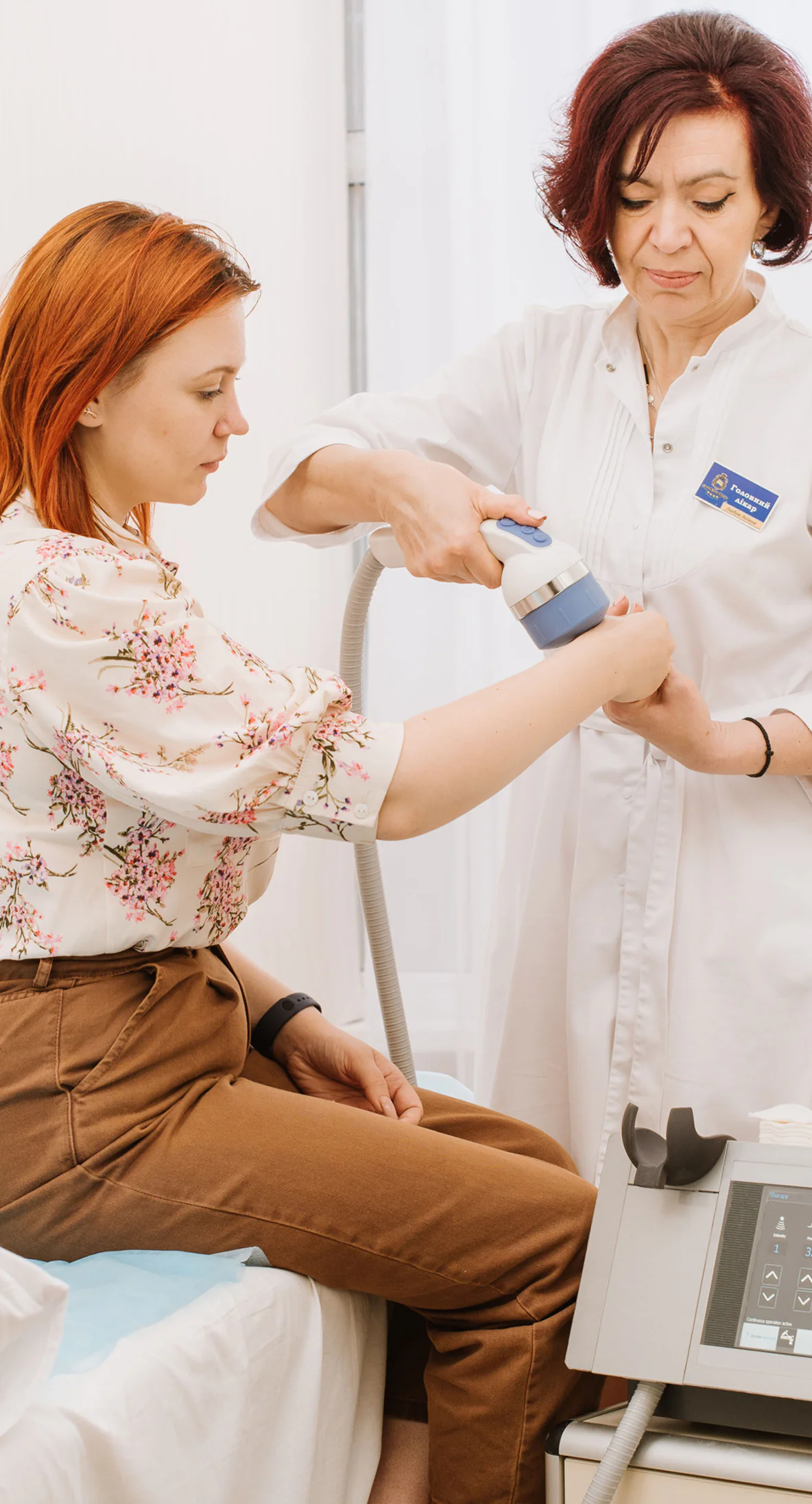
- The medical center at the Kyivska Rus hotel is officially accredited by the Ministry of Health of Ukraine. The facility has the latest equipment and highly qualified staff. The medical center provides a full range of medical services in various fields: urology, gastroenterology, gynecology, cardiology, endocrinology, pediatrics, pulmonology, vertebrology, rehabilitation, neurology, dentistry, podiatry, immunology, ophthalmology, functional diagnostics, preventive medicine. Mayer therapy is also actively used here, various detoxification and weight loss programs are implemented. The medical center in Skhidnytsia is a combination of professionalism, technology and an individual approach to each visitor. All this is a guarantee of the best result!
- Qualified psychological assistance. An experienced psychologist works at the medical center, so you can get professional advice.
- The birthplace of the medical and health complex are mineral water sources. They differ in their properties and chemical composition. Therefore, hydrotherapy is used very actively.
- All treatment methods are effective and proven. Procedures are performed only by specialists. Not only traditional, but also non-traditional treatment methods are actively used.
- There are various SPA services, outdoor and indoor pools. These procedures will allow you to relax, have a positive effect on your mood and overall well-being.
Why is it important to calm the nervous system?
Chronic stress negatively affects the cardiovascular system, immune system and other organs. Stress and anxiety can lead to depression, panic attacks and other mental disorders. Relaxation and calming the nervous system contribute to improved mood and mental well-being. When the nervous system is calm, it is easier to focus on tasks, make rational decisions and be more productive.
Ultimately, everyone is different, and there is no one-size-fits-all way to calm your nerves. It's important to find a way that works for you and makes you feel better.
