


Our daily lives are full of stress. It can be of varying intensity and duration. Chronic stress can have a serious impact on the body. In order to reduce stress, you need to know effective methods.
What is stress and its types?
Stress is the body's reaction to various external or internal factors that disrupt physical or mental balance. It can manifest itself in both the physical and emotional spheres. Stress can be short-term (acute stress) or long-term (chronic stress).
Symptoms, stages and causes of stress
Headache, muscle tension, increased heartbeat, fatigue and weakness, digestive problems (stomach pain, diarrhea, constipation), sleep problems - the main symptoms of stress.
Experts call the following stages of stress:
- The stage of anxiety or reaction to a threat. At this stage, the body becomes more active, the level of adrenaline increases due to stress, the heart rate increases, and muscle tension increases. This is a natural reaction to a stressor.
- Resistance stage. The body adapts to the stressor and tries to maintain balance. During this stage, chronic symptoms of stress, such as fatigue and irritability, may occur.
- The stage of exhaustion. If stress lasts too long and the human body cannot cope with it, physical and mental resources are depleted. That is why it is so important to know how to deal with stress.
The causes of stress can be different:
- physical (injuries or illnesses, overwork);
- psychological (financial difficulties, problems at work or school, negative thoughts and expectations).
- social (social isolation, lack of support, life changes such as moving, changing jobs).
How does the body react to stress?
The body's response to stress is a complex process that involves the activation of various physiological systems to protect and adapt to a stressful situation. This response is known as the “stress response” or “fight or flight response” and involves several key steps.
- Activation of the sympathetic nervous system. The first stage of the stress response is activation of the sympathetic nervous system, which stimulates the body's adrenal glands to produce adrenaline and noradrenaline. Adrenaline causes a rapid heartbeat, increased blood pressure, increased blood glucose, and dilation of the bronchial tubes to make breathing easier.
- Cortisol release. The hypothalamus in the brain triggers the production of corticotropin-releasing hormone (CRH), which stimulates the pituitary gland to produce adrenocorticotropic hormone (ACTH). ACTH stimulates the adrenal glands to produce cortisol, which is known as the “stress hormone.”
- Physiological changes in the body. The heart rate increases, blood pressure increases to provide organs and tissues with sufficient oxygen and nutrients.
- Psychological response: During stress, the body increases its ability to focus on the threat, which can manifest as increased alertness or hyperactivity. Fear, anxiety, anger, or panic may occur due to the effects of stress on the body.
- Return to normal (resolution). Once the stressful situation is resolved, the parasympathetic nervous system is activated to reduce the stress response.
Why is it so important to know how to relieve stress? If this condition lasts for a long time (chronic stress), the body may not have time to recover, and this can lead to the development of various diseases, including cardiovascular disease, digestive disorders, depression, anxiety disorders, and others.
How to deal with stress?
A very common question is how to get rid of stress. Following simple rules will reduce stress levels and improve overall well-being.
Undergo a medical examination and take tests
Not everyone knows how to deal with stress. However, some physical conditions, such as hormonal imbalances, cardiovascular disease, or thyroid problems, can only increase stress and its effects on the human body. A medical examination can help identify these problems. In addition, timely diagnosis allows you to detect early signs of diseases that can be exacerbated or caused by stress (hypertension, diabetes, or gastritis).
Review your lifestyle
There are different ways to overcome stress. Sometimes a state of stress can be provoked by lifestyle. Especially if you work a lot, move little, communicate little with other people. Therefore, you cannot do without a radical change in your lifestyle. Follow the principles of a healthy lifestyle, introduce new habits, for example, travel often, do physical exercises that will help you feel cheerful, meet friends, walk more in the fresh air, drink water, and pleasant changes will not be long in coming.
Scan your body
Listen to your body's signals - this is an effective way to calm down in a stressful situation. Meditation, deep breathing, relaxation techniques (such as progressive muscle relaxation) help reduce anxiety levels and focus on the positive aspects of life. Breathing exercises are a proven way to combat stress, they help reduce heart rate and normalize blood pressure.
Introspection
To prevent stress from becoming chronic, it is important to listen to your body and analyze your behavior. In addition, psychological techniques for coping with stress can help change negative thinking patterns. Keeping a journal or gratitude journal can help you focus on the positive aspects of life.
Evening rituals for a quality night's rest
Following a bedtime routine helps to set your body and mind up for rest, which promotes deep and restorative sleep. You will also find that your sleep problems will simply disappear. Avoid using smartphones, computers, and televisions about 1-2 hours before bedtime. The blue light from screens suppresses the production of melatonin, a hormone that helps you fall asleep. Following a sleep and rest routine has a positive effect on your overall well-being.
Take a warm bath 1-2 hours before bed. It relaxes muscles and helps relieve tension. Reading light literature or listening to soothing music before bed helps distract from stressful thoughts and set the mood for rest.
Proper and balanced nutrition
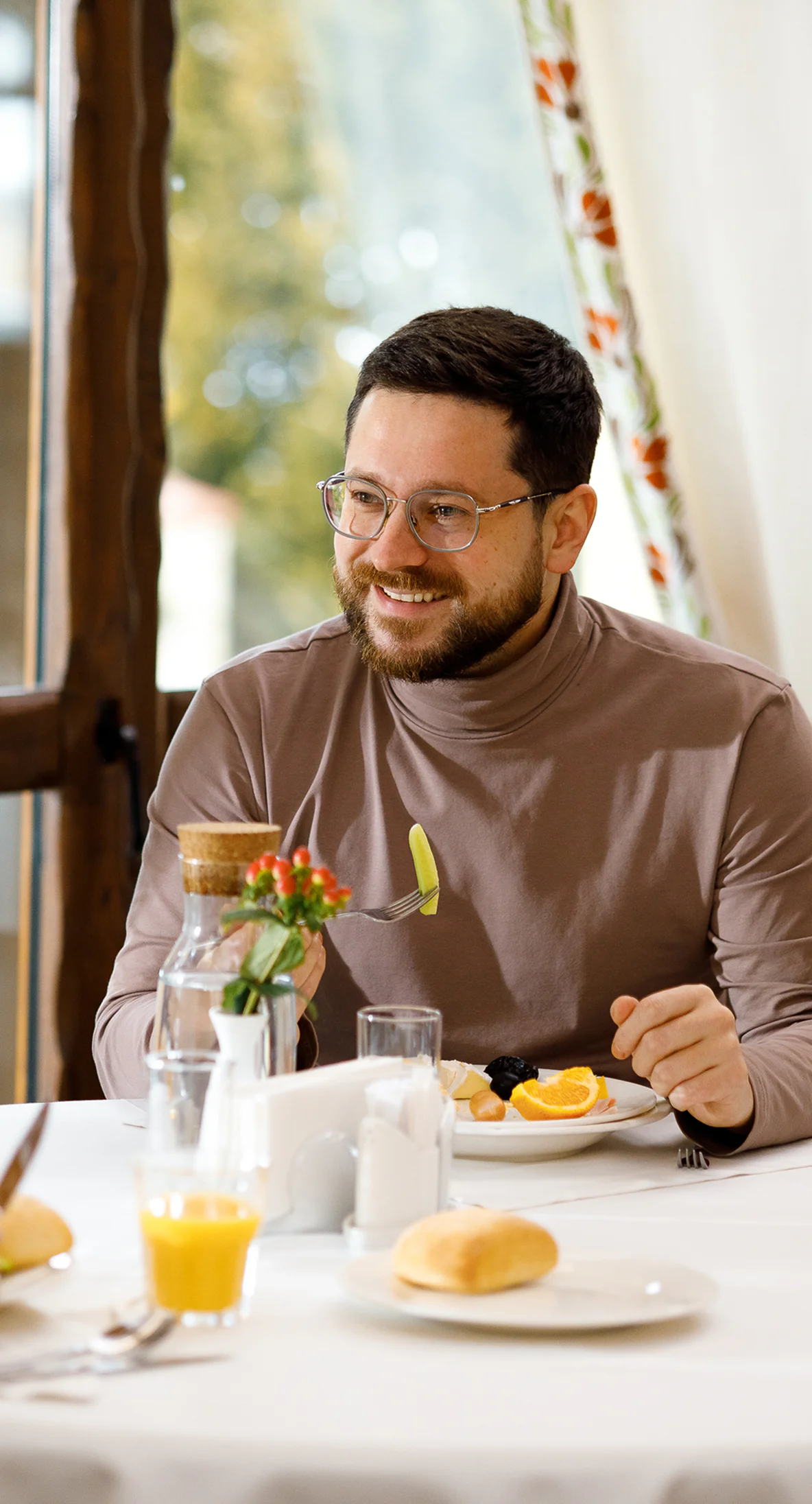
There are various tips for overcoming stress, and very often they talk about nutrition. It should be with enough vitamins, minerals and nutrients that will help you maintain physical and mental health. You should include foods rich in magnesium in your diet (leafy green vegetables (spinach, kale), nuts (almonds, cashews), seeds (pumpkin, sunflower), avocados, bananas, legumes, omega-3 fatty acids, walnuts, flax and chia seeds), as well as foods rich in antioxidants (berries (blueberries, raspberries, strawberries), citrus fruits (oranges, lemons), green tea, dark chocolate, nuts).
Look for motivation
Identify what you want to achieve at work, both in the short and long term. For example, completing a specific project, getting a promotion, or developing new skills.
Remember why you chose this particular profession or job. What does it bring to you and how does it affect your life? If you find meaning in what you do, it can increase motivation and reduce stress.
Prevent burnout
Burnout can have serious consequences for physical and mental health, so it is important to take steps to prevent it.
Set clear work hours and try to stick to them. Don't work on weekends or after hours unless absolutely necessary. Immediately after finishing your workday, do something that helps you relax and switch off: take a walk, meet up with friends. Focus on the most important tasks and do them first. Don't try to do everything at once. If possible, delegate some of your responsibilities to colleagues. This will help reduce the workload and avoid burnout. Periodically review your career goals and plans. This will help you stay motivated and avoid feeling stuck in one place. These are simple but effective tips for overcoming stress.
Track moments of fatigue
It is very important to listen to your body and monitor the first signs of fatigue: drowsiness, decreased concentration or irritability. If you see such signs, take a break. Do not ignore these signals, because timely rest can prevent the accumulation of stress.
Remember that it is important not only to work, but also to rest to overcome stress. Set clear breaks during the day to prevent overwork.
Be physically active and exercise
When it comes to stress management methods, regular exercise (walking, running, yoga) is often mentioned. It helps reduce stress levels, improves mood, and improves health. In addition, physical activity promotes the production of endorphins, the “happy hormones,” which help relieve tension.
Control working hours
Overwork is a common cause of stress. Therefore, plan your time in a way that balances work, family, friends, and personal interests. Be able to say “no” to additional tasks if they can lead to burnout. It is important to understand your limits and not to overload yourself, gradually adapting to increased workloads or new working conditions.
Be in the moment.
Learn to enjoy the moment, here and now. Let go of thoughts about the past, don't worry too much about the future. Take a moment to stop, answer the question, what am I thinking, what am I feeling right now, and what is happening to my body.
Identify and prevent stressors
Analyze your behavior, your reaction to certain factors. Determine what exactly provokes stressful situations. Learn to let go of situations that you cannot control. Situation analysis is an effective method for overcoming stress.
Communicate with family and friends
Don't forget about your family and friends. Sincere communication, hugs, smiles, and just having a good time can reduce stress levels and add positive emotions.
Stress treatment in the medical and health complex Kyivan Rus
Travel and a change of environment are excellent stress relievers and stress prevention. A vacation in the Carpathians is an opportunity to restore strength. This region offers many opportunities for relaxation, active recreation and communication with nature, which helps reduce stress levels and improve overall well-being. Carpathian forests, mountain trails and valleys offer many opportunities for peaceful walks.
The health complex “Kyivska Rus” in Skhidnytsia offers a wide range of services and opportunities for tourists to relax and improve their health. Skhidnytsia is a famous balneological resort, and the complex “Kyivska Rus” is one of the most popular places for health improvement in this region.
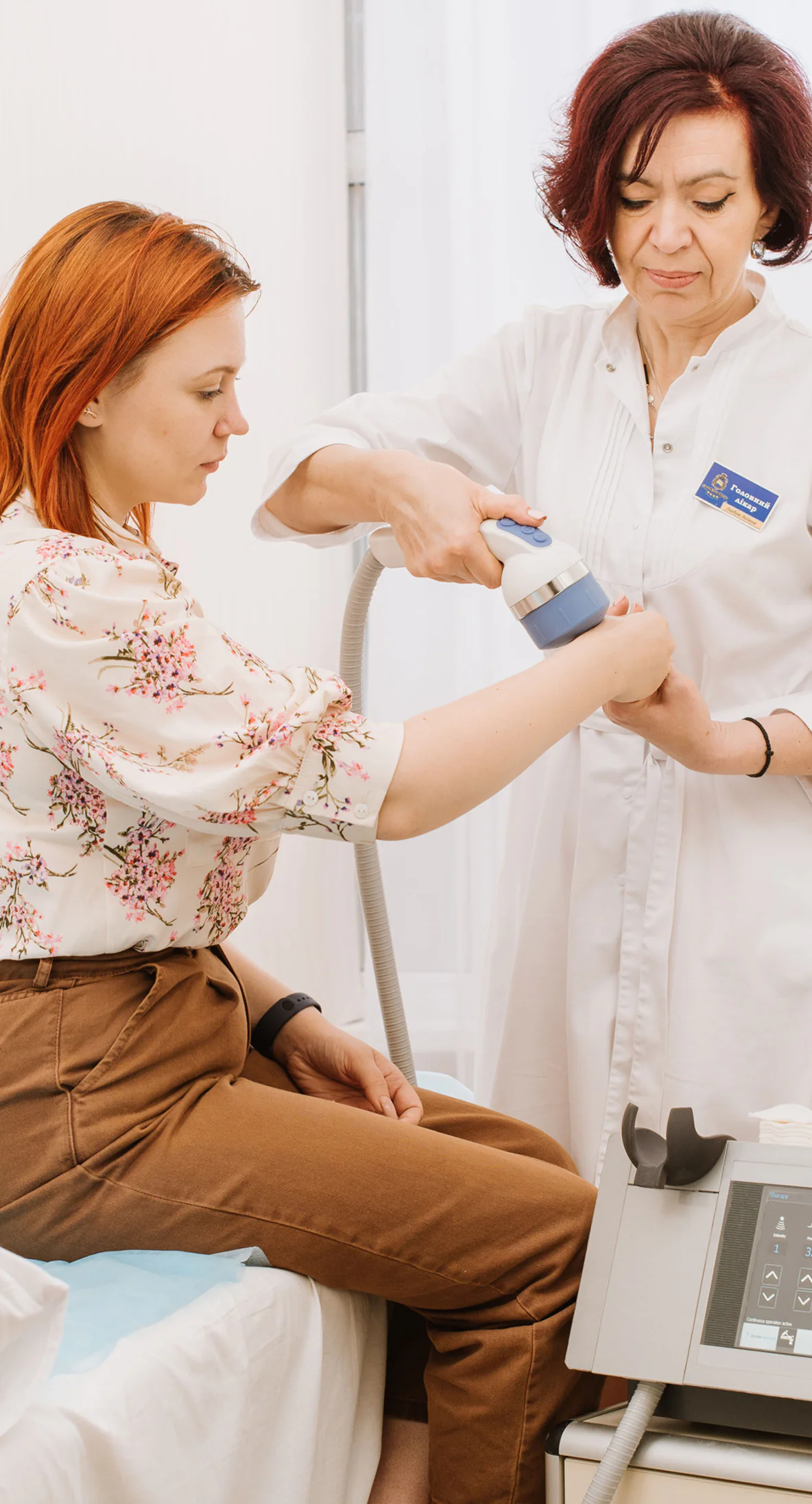
The institution has medical center, which provides a full range of medical services in various fields: urology, gastroenterology, gynecology, cardiology, endocrinology, pediatrics, pulmonology, vertebrology, rehabilitation, neurology, dentistry, podiatry, immunology, ophthalmology, functional diagnostics, preventive medicine.
If you cannot cope with stress on your own, suffer from excessive anxiety, you can contact a professional psychologist who works at the institution. In addition, there are a number of services that will help improve the condition of your body:
- SPA services. The complex has a modern Spa center with saunas, jacuzzis, swimming pools and relaxation rooms.
- Massage. Tourists are offered various types of massage: classic, therapeutic, anti-stress, aroma massage and other procedures that help relieve tension and improve overall well-being.
The complex has an indoor pool, where you can swim at any time of the year. Guests have access to a modern gym, equipped with everything necessary to maintain physical fitness. Active recreation enthusiasts can rent bicycles or join hiking tours to explore the surroundings and enjoy the beauty of nature.
Rest in the health complex “Kyivska Rus” in Skhidnytsia is a perfect combination of health improvement, relaxation and active recreation in one of the most picturesque corners of the Carpathians.
Stress prevention
Are you curious about how to overcome stress on your own?
- Hobbies: Engage in activities that bring you pleasure and help you relax.
- Rest. Regular rest helps restore strength and has a positive effect on well-being.
- Drinking regimen. Don't forget to drink enough water per day.
- Psychological support. If you feel that the stress is becoming unbearable, consult a psychologist or psychotherapist. Professional support can help you understand the problems and find effective ways to solve them.
- Positive approach. Practice positive thinking and try to see the positive aspects in difficult situations.
- Learning new skills. Invest in personal development and learning new skills. This can be both professional development and a hobby that brings satisfaction.
- Quitting bad habits. Quit drinking alcohol and smoking, which can increase stress levels and affect your health.
Stress management is a holistic approach that includes both physical and psychological aspects. It's important to find what works for you and stick to these practices to maintain your well-being.
